We are compliant with all standards and regulations set by the Australian Government, our team is fully licensed and insured.
Asbestos Removal Cost in Sydney
This guide walks through the factors that move the price up or down so you know what you are paying for before you book a quote.
If you already know what you have and want a number, the quickest path is a free on-site assessment. Get a free quote and we will give you a clear written breakdown for your specific job.
What Affects the Cost of Asbestos Removal
Every quote is built around the same set of variables:
- Material type. Bonded asbestos cement sheeting (also called fibro) costs less to remove than friable asbestos because it carries lower risk and requires a Class B licence rather than a Class A licence.
- Total area in square metres. Larger jobs scale up in labour and disposal weight, but the per square metre rate often drops slightly on bigger volumes because mobilisation costs are spread further.
- Accessibility. A single sheet on a low garden shed costs less to remove than the same sheet bolted to a steep two-storey roof, sitting in a tight subfloor, or hidden behind plaster.
- Site access for trucks and skips. A driveway big enough for a removal truck and a hooklift bin saves hours compared to a battle-axe block where every sheet has to be hand-walked to the street.
- Disposal fees. All asbestos waste in NSW must be taken to an EPA-licensed waste facility. Tip fees are charged by tonnage and have risen steadily.
- Air monitoring. Required by law for friable removal and many enclosed bonded jobs. An independent licensed assessor adds a separate line item.
- Clearance certificate. Required after most removal jobs, especially before reoccupation, renovation, or insurance claims. Issued by an independent assessor.
- Reinstatement. If the area being stripped is structural (roof, wall, eaves, ceiling) someone has to put it back. This is where Rosemont’s in-house carpentry team becomes a cost-saver.
Typical Cost Ranges by Project Type
We do not publish flat dollar figures because every site is different and prices change with disposal fees, fuel costs, and licensing requirements. Instead, here is how the variables stack up across the most common Sydney jobs.
Asbestos Roof Removal
Cement sheet roofs are one of the most common removal jobs in Sydney. Cost is driven mainly by total roof area, pitch, height, and whether the existing roof has to be replaced (Colorbond or tile) once the asbestos is gone. Roofs over kitchens, living areas, and bedrooms also need careful planning so the property stays usable through the works.
Asbestos Wall and Ceiling Removal
Internal walls and ceilings inside older Sydney homes (particularly bathrooms, laundries, and external eaves) often sit behind tiles, paint, or plaster. Removal cost depends on whether the material is exposed, sheeted over, or laminated, and how much demolition is needed to reach it.
Asbestos Fence Removal
A common job for renovating homeowners. Cost depends on linear metres, fence height, post type, and whether the fence is shared with a neighbour (which sometimes affects access, timing, and disposal logistics).
Asbestos Bathroom Wall Removal
Often discovered mid-renovation when a tiler or plumber spots fibro behind tiles. Cost depends on the wet-area size, how much of the bathroom has been opened up, and whether tiles, vanities, and fixtures have already been pulled out.
Whole-House Removal Before Demolition
Before any demolition, asbestos has to be cleared first. The cost reflects total ACM volume across the roof, walls, eaves, and any compressed flooring, and is always paired with a final clearance certificate before the demolition crew steps on site.
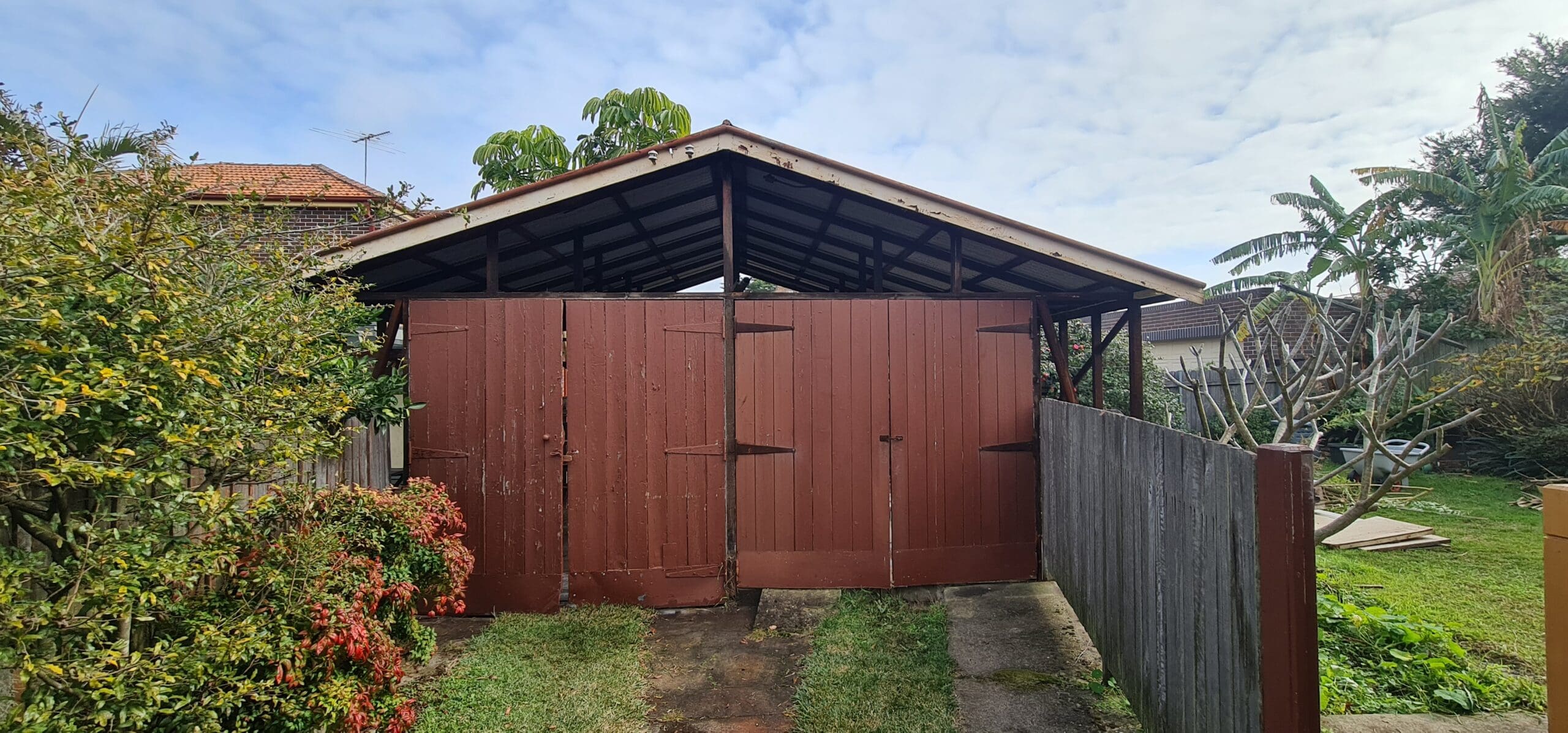
Garage and Shed Cladding
One of the easier removals because access is usually straightforward and the structure is detached. Often combined with a full demolition of the structure if it is past its usable life.
Clients trust us because we do it right — the first time.
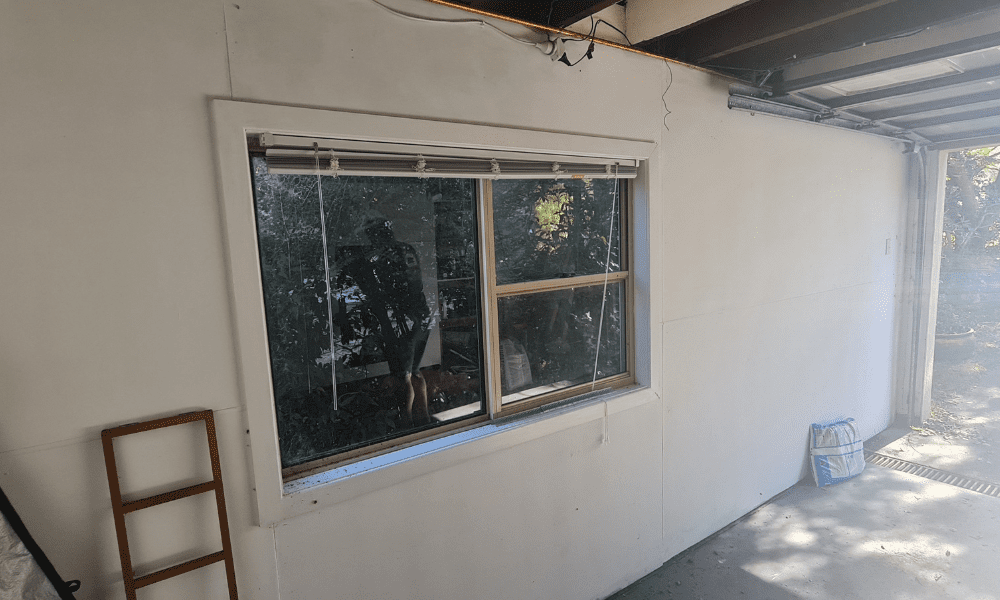
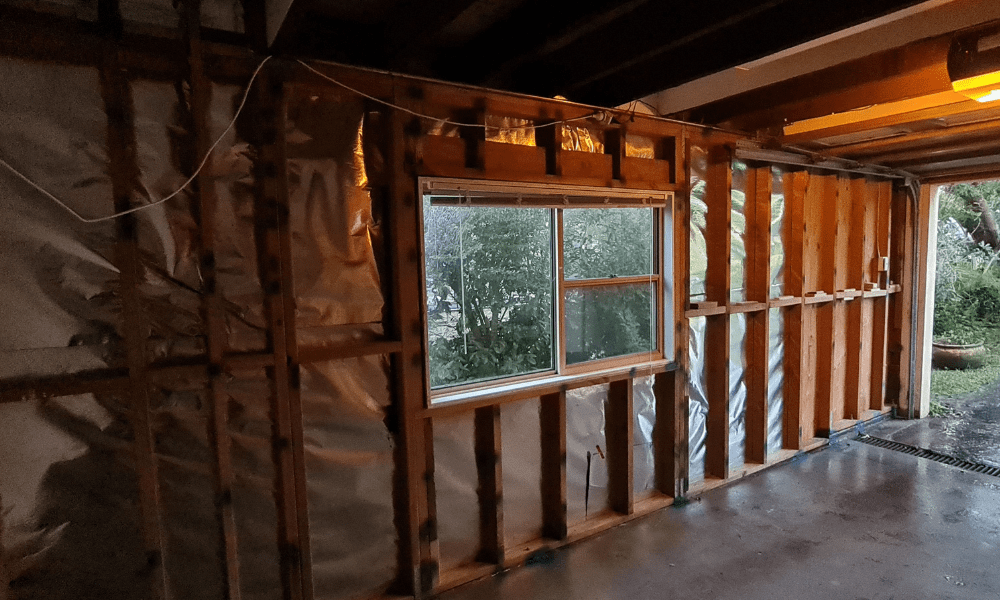
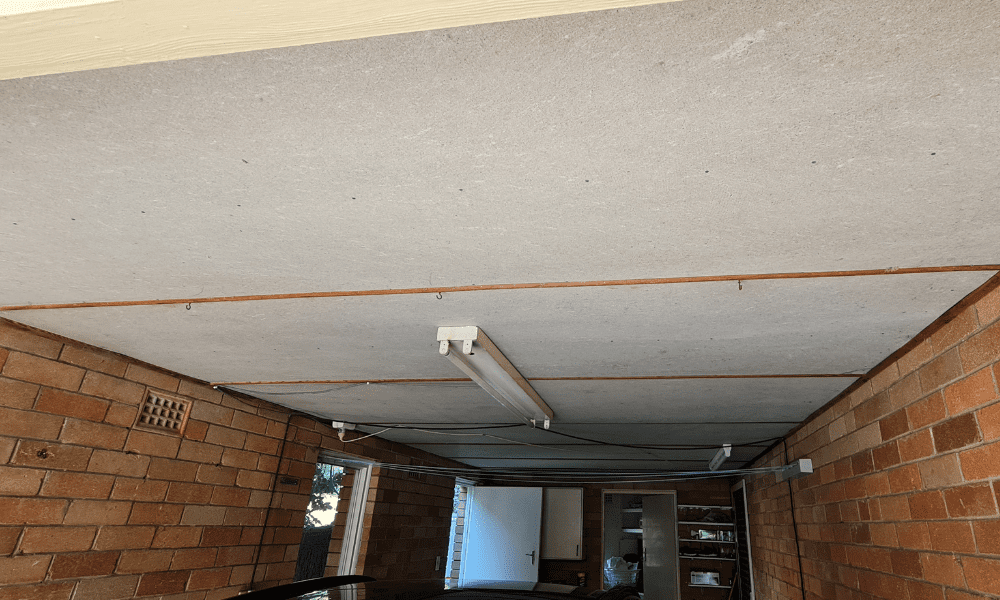
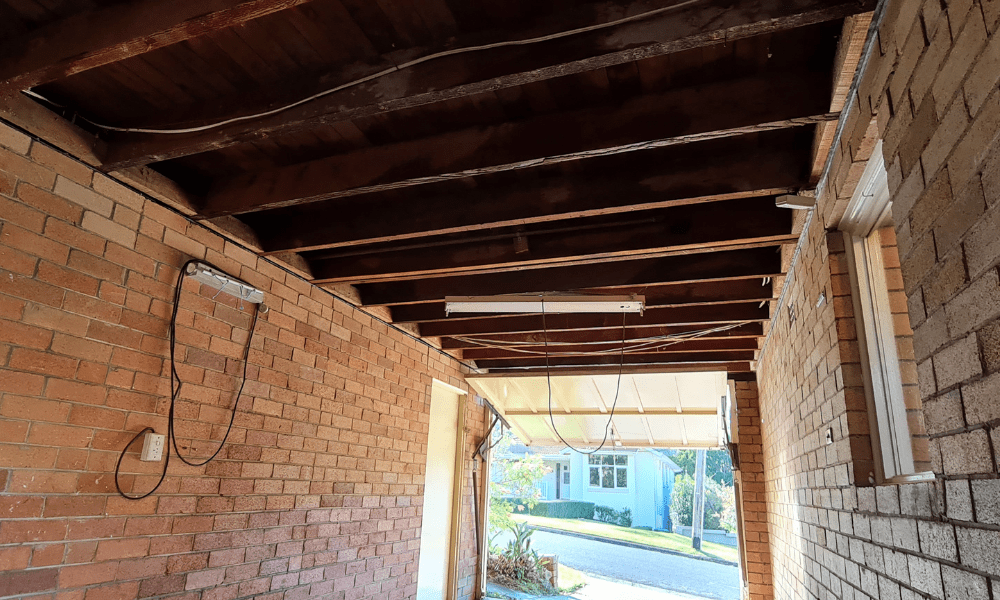
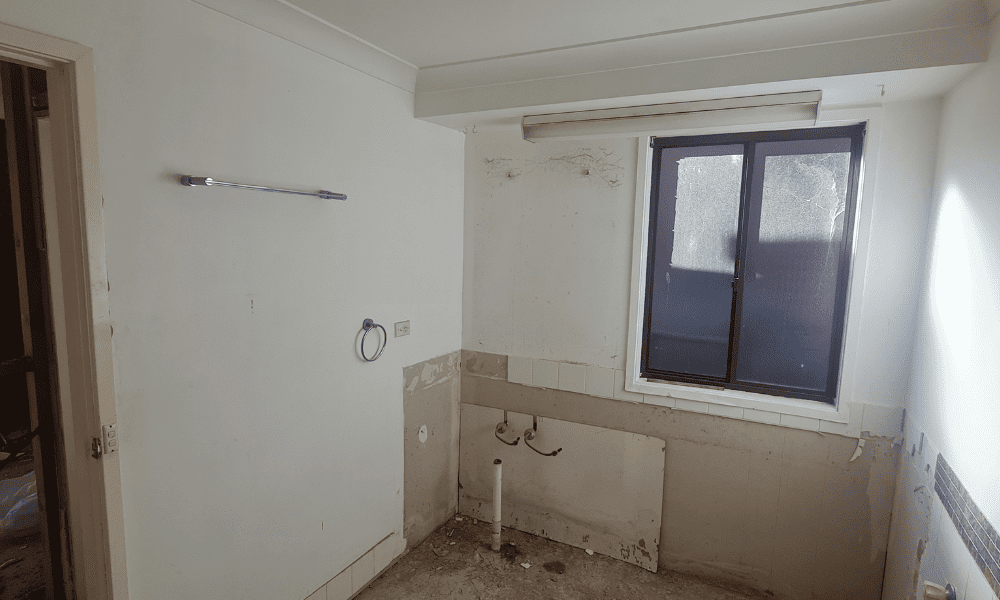
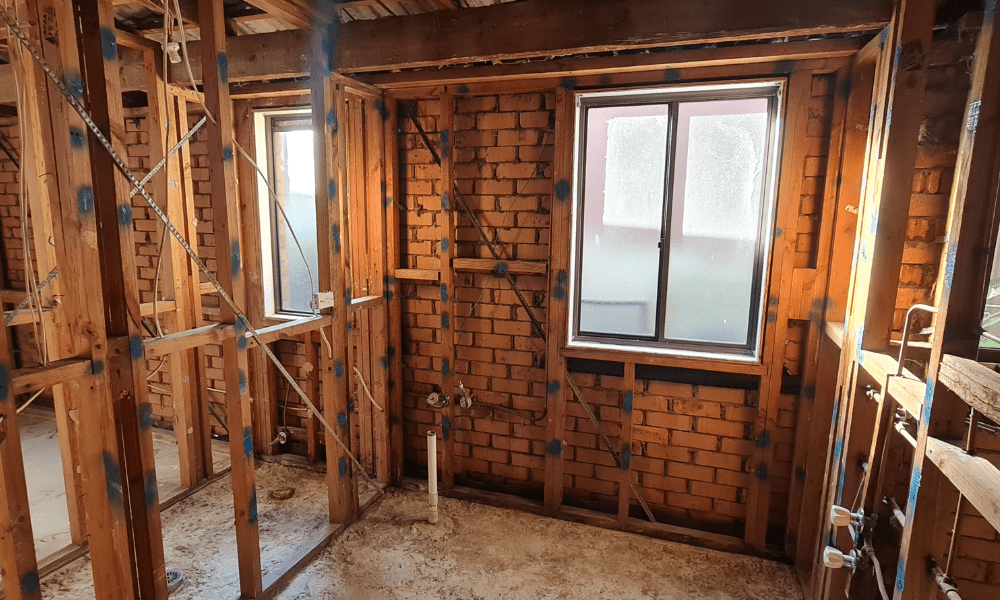
Grab the arrows below to see our work before and after.
Friable vs Bonded Asbestos: Why It Changes the Price
The biggest single price factor is whether the material is bonded or friable.
Bonded asbestos has the fibres locked into a cement matrix. Think of fibro sheeting, eaves, and corrugated roofs. It is removed under a Class B licence, with controlled work practices, PPE, and bagged disposal.
Friable asbestos is loose, crumbly, or has been damaged so the fibres can become airborne. Think of pipe lagging, sprayed insulation, loose-fill ceiling insulation, and damaged sheeting. Friable removal is regulated more tightly, requires a Class A licence, full enclosure with negative air pressure, continuous air monitoring, and a much longer site setup. As a rule of thumb, friable removal costs significantly more per square metre than bonded.
You can read more about how the two compare on our asbestos testing page, where we explain how the lab confirms which type you are dealing with.
What a Rosemont Quote Includes
Every written quote we send breaks the work into clear line items, so you can see exactly what you are paying for:
- On-site assessment and scope
- SafeWork NSW notification where required
- Removal works under licence AD213403
- All PPE, decontamination, and site setup
- Asbestos waste packaging, transport, and disposal at an EPA-approved facility
- Air monitoring (if scoped)
- Independent clearance certificate at completion
- Restoration carpentry (if booked together)
That last one is the part most Sydney removalists do not offer. Once the asbestos is gone, you usually need someone to put eaves, walls, ceilings, or roofs back. Bringing in a separate carpenter weeks later means another mobilisation, another quote, and another wait. Our in-house carpentry team can roll straight into restoration once removal is signed off, which keeps both the timeline and the total cost tighter.
Is Encapsulation a Cheaper Alternative?
In some cases, yes. Encapsulation seals the asbestos in place with a specialised coating so the fibres cannot become airborne. It is appropriate when the material is in good condition, is not going to be disturbed by renovation, and is not friable. It is usually cheaper than full removal because there is no demolition, no disposal weight, and no reinstatement.
It is not always the right answer. If you are renovating, demolishing, or the material is already damaged, removal is the only safe option. We cover this in detail on our encapsulation as an alternative page.
How to Get an Accurate Asbestos Removal Quote
The only way to get a number you can rely on is an on-site visit. Photos and verbal descriptions miss the variables that change the price most: pitch, access, hidden material, disposal route, and reinstatement scope. We do free on-site assessments across Sydney Metro, Northern Beaches, Central Coast, Wollongong, the Blue Mountains, and Western Sydney.
For background on the actual works that follow, see our asbestos removal service.
Home Demolition Frequently Asked Questions
How much does it cost to remove asbestos from a roof?
Roof removal cost depends on total area, pitch, height, the type of cement sheet, and whether the new roof installation is included. A free on-site quote is the fastest way to a real number. Most Sydney roof removals also need a clearance certificate before the new roof goes on.
Do I need a clearance certificate?
In NSW, a clearance certificate is required after most licensed asbestos removal jobs before the area can be reoccupied or reused. Insurers, council, and future buyers will also ask for it. We arrange independent clearance certificates as part of our standard scope.
Is encapsulation cheaper than removal?
Yes, in most cases. Encapsulation skips the demolition, disposal, and reinstatement steps, so it costs less upfront. The trade-off is that the asbestos is still there. If the building is being renovated, sold, or demolished later, removal will eventually be needed.
How quickly can I get a quote?
We respond to all enquiries within 24 hours and book on-site assessments at the earliest available time slot. Sydney metro jobs are usually quoted within a few business days.
Do I need to leave the property during removal?
For most bonded removals (fences, eaves, sheds, external walls) you can stay on site as long as you keep clear of the work zone. For internal removals or anything friable, the area is sealed off and we will tell you in advance whether the property needs to be vacated for the duration of the works.