We are compliant with all standards and regulations set by the Australian Government, our team is fully licensed and insured.
Asbestos Clearance Certificate Sydney
After any licensed asbestos removal job in Sydney, the site is not legally safe to re-enter until a licensed assessor signs a clearance certificate. Rosemont Contractors arranges clearance inspections across Sydney Metro, the Northern Beaches, Central Coast, Wollongong, the Blue Mountains and Western Sydney. Clearance is included as standard on our friable jobs and on most large bonded jobs at no extra charge to the homeowner.
Get a free quote or call 0475 000 021 to book a clearance inspection.
Have you had asbestos removed in your home? There is one final step!
What an Asbestos Clearance Certificate Is
A clearance certificate is a written, signed document from a SafeWork NSW licensed asbestos assessor confirming that:
- The removal work area is free from any visible asbestos debris
- The transit route and waste handling areas are clean
- All asbestos within the scope of the job has been removed
- For friable jobs, air monitoring results show fibre counts below the safe threshold
Without that certificate, the building cannot legally be reoccupied for normal use, and most councils will not approve a construction certificate or development application for work that follows asbestos removal.
Clearance certificates are issued after our removal team completes the work and the assessor has independently verified the result. The assessor is separate from the removal crew, which is what makes the clearance valid.
Friable vs Bonded: When Clearance Is Legally Required
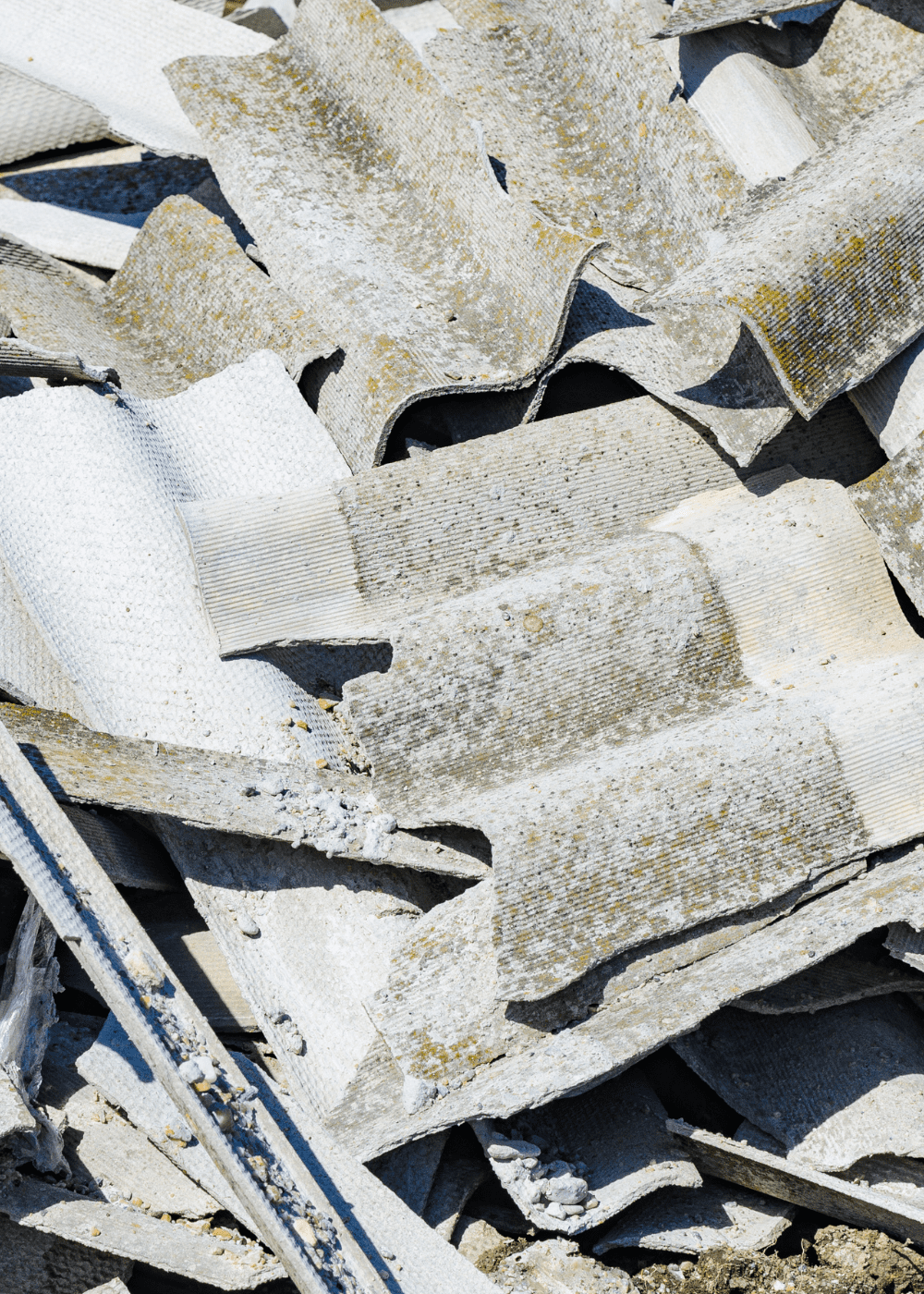
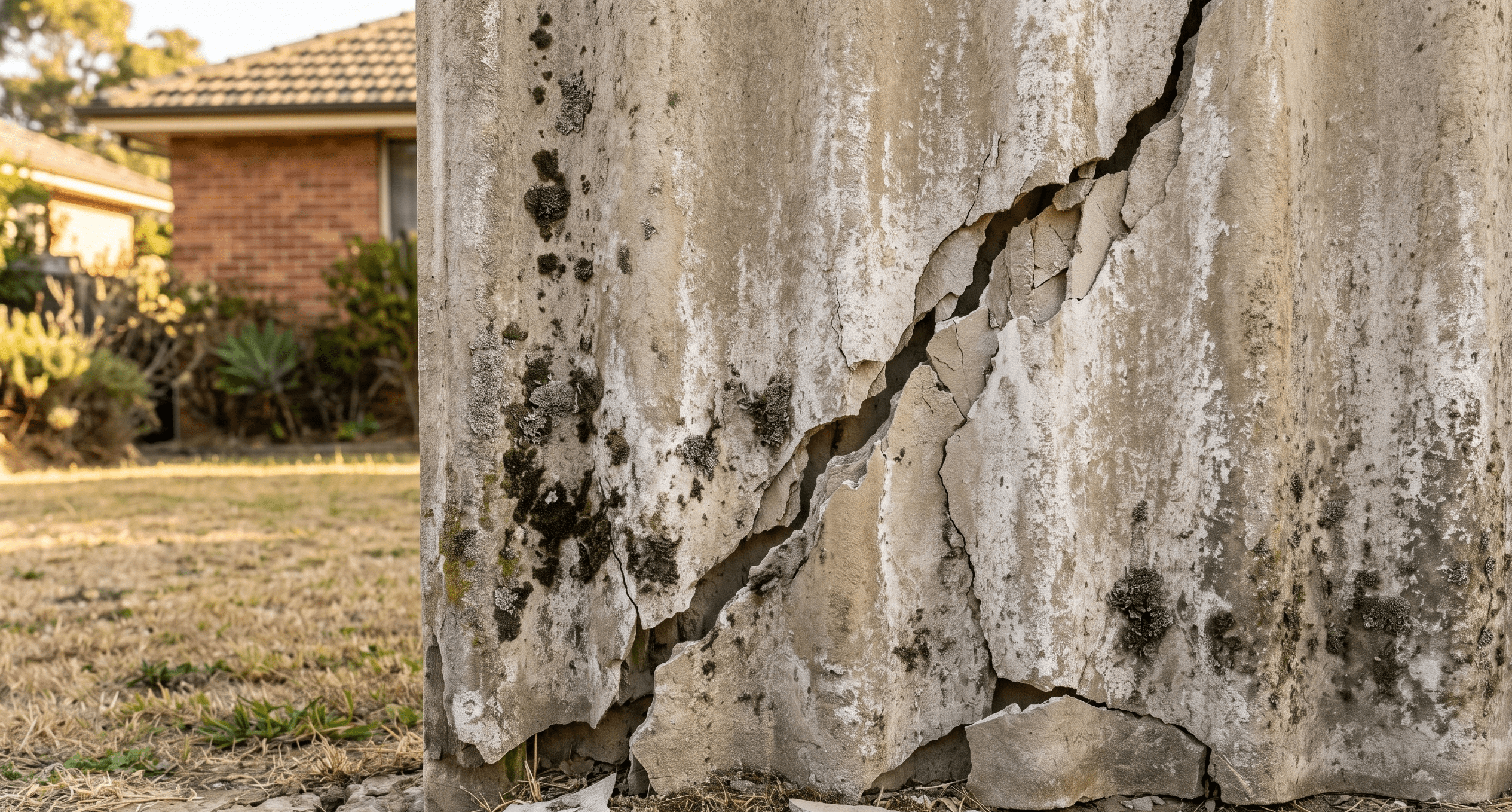
Clearance certificates are mandatory under NSW work health and safety law in two scenarios:
- All friable asbestos removal. Clearance certificates are legally required for all friable asbestos removal, no matter the area. Friable work also requires air monitoring, and the assessor will not sign off until the airborne fibre count is below 0.01 fibres per millilitre.
- Licensed bonded asbestos removal. Any bonded asbestos removal job over 10 square metres requires a Class B or Class A contractor, and a clearance certificate is required at the end of the job.
For small bonded jobs under 10 square metres (a small section of fibro, a single eave panel, a small shed wall), a clearance certificate is not legally required, but many homeowners still want one for insurance, resale or council approval purposes.
How the Clearance Process Works
The clearance inspection is the final step in every job we run. Here is what happens on site:
- Removal completed. Our Class A licensed team finishes the asbestos removal, double-bags the waste and transports it to a licensed disposal facility.
- Site cleaned and visually inspected by the crew. Surfaces are wiped down, dust is HEPA vacuumed and the work area is left ready for independent assessment.
- Air monitoring (friable jobs). Air monitoring is conducted during removal to confirm safe fibre levels before certification on every friable job and any bonded job we believe warrants it.
- Independent assessor inspection. A licensed assessor, separate from the removal crew, conducts a detailed visual inspection. They check the removal area, surrounding zones and the route waste was transported through.
- Clearance certificate issued. Once satisfied that all asbestos is gone and no settled debris remains, the assessor issues the clearance certificate. You receive the certificate in writing for your records.
Why Choose Rosemont Contractors?
Quick turn-around
Our dedicated team of experienced professionals are fast and efficient while maintaining safety as priority.
Quality Services
Ensuring customer satisfaction and quality of work through every stage of the project.
Safe & Professional
Safety of our clients and workers is paramount to our service. We ensure all work is conducted to current safe work NSW current safety standard.
24-hour Response
We respond to all enquiries within 24 hours.
Asbestos Clearance Certificate FAQs
What is an asbestos clearance certificate?
An asbestos clearance certificate is a signed document from a SafeWork NSW licensed assessor confirming that an asbestos removal area is free from visible asbestos debris and, in friable jobs, that airborne fibre counts are below the safe threshold. The certificate is required before the site can be reoccupied or further building work can begin.
When is a clearance certificate required by law?
Clearance certificates are legally required for all friable asbestos removal and for bonded removal jobs over 10 square metres. They are not legally required for small bonded jobs under 10 square metres, but many homeowners still request one for insurance, resale and council approval purposes.
How long does the clearance process take?
For most bonded jobs, the inspection itself takes around an hour and the written certificate is issued the same or next business day. Friable jobs take longer because air monitoring samples need lab analysis, which is typically 24 to 48 hours from sampling. We confirm timing with you up front so the schedule is clear.
Do I need a clearance certificate before selling my house?
You are not legally required to provide one to a buyer, but it is one of the most common requests during the conveyancing process. If you have had any asbestos removed from the property, holding a clearance certificate on file makes the sale smoother and avoids price negotiation over the unknown.
Can the same company that removed the asbestos also issue the clearance?
No. The clearance assessor must be independent of the removal contractor. Rosemont arranges an independent licensed assessor at the end of every job we run, and the clearance is included in the project where it is required.
Areas We Serve
Rosemont arranges clearance inspections across our full Sydney service area, including the Northern Beaches, Central Coast, Wollongong, Manly, Penrith, Hornsby, Ryde and the Blue Mountains. If your job sits outside one of these locations, give us a call and we will confirm coverage.
Clients trust us because we do it right — the first time.