

What Is Amosite Asbestos?
Amosite asbestos is one of the six regulated asbestos minerals, and the one most often called brown asbestos. It was mined commercially and used heavily in construction products through the middle of the twentieth century, which is why it turns up so regularly in Australian buildings of that era.
For a homeowner the mineral name matters less than the material it is sitting in. What you actually encounter is a sheet, a lining or a lagging, and the fibre type inside it is something a laboratory determines rather than something you assess on site.
Where Was It Used in Australian Buildings?
Amosite was favoured where heat resistance and structural strength mattered. That put it into insulation products, pipe lagging, ceiling and wall linings, and various cement-based building sheets.
The practical consequence is that it is not confined to one part of a building. Anything from a roof cavity to a wet-area lining can contain it, which is why a whole-of-property look is more useful than checking the one wall you happen to be worried about. Our licensed assessors can walk the entire site, log every suspect material, and bundle the testing into a single report.
How Does It Differ From Chrysotile?
Chrysotile, usually called white asbestos, is the type used most widely worldwide and has a curled fibre structure. Amosite fibres are straight and needle-like. Crocidolite, the blue variety, is the third type commonly named in Australian building contexts.
Here is the part worth internalising: none of that is visible to you. The fibres are microscopic, the products they were mixed into look broadly alike, and colour names refer to the raw mineral rather than to the finished sheet on your wall. A brown-looking sheet is not evidence of brown asbestos, and a white one is not evidence of chrysotile.
Is Brown Asbestos More Dangerous?
All asbestos types are hazardous and all are regulated. The straight-fibre types are generally regarded as posing greater risk than curled chrysotile, but this is not a distinction that should change what you do next.
What actually changes the handling is condition and friability, not mineral type. A crumbling material is treated differently from an intact bonded sheet regardless of which of the six minerals it contains, and that is what determines the licence class, the controls and the cost of the work.
How a Laboratory Confirms the Fibre Type
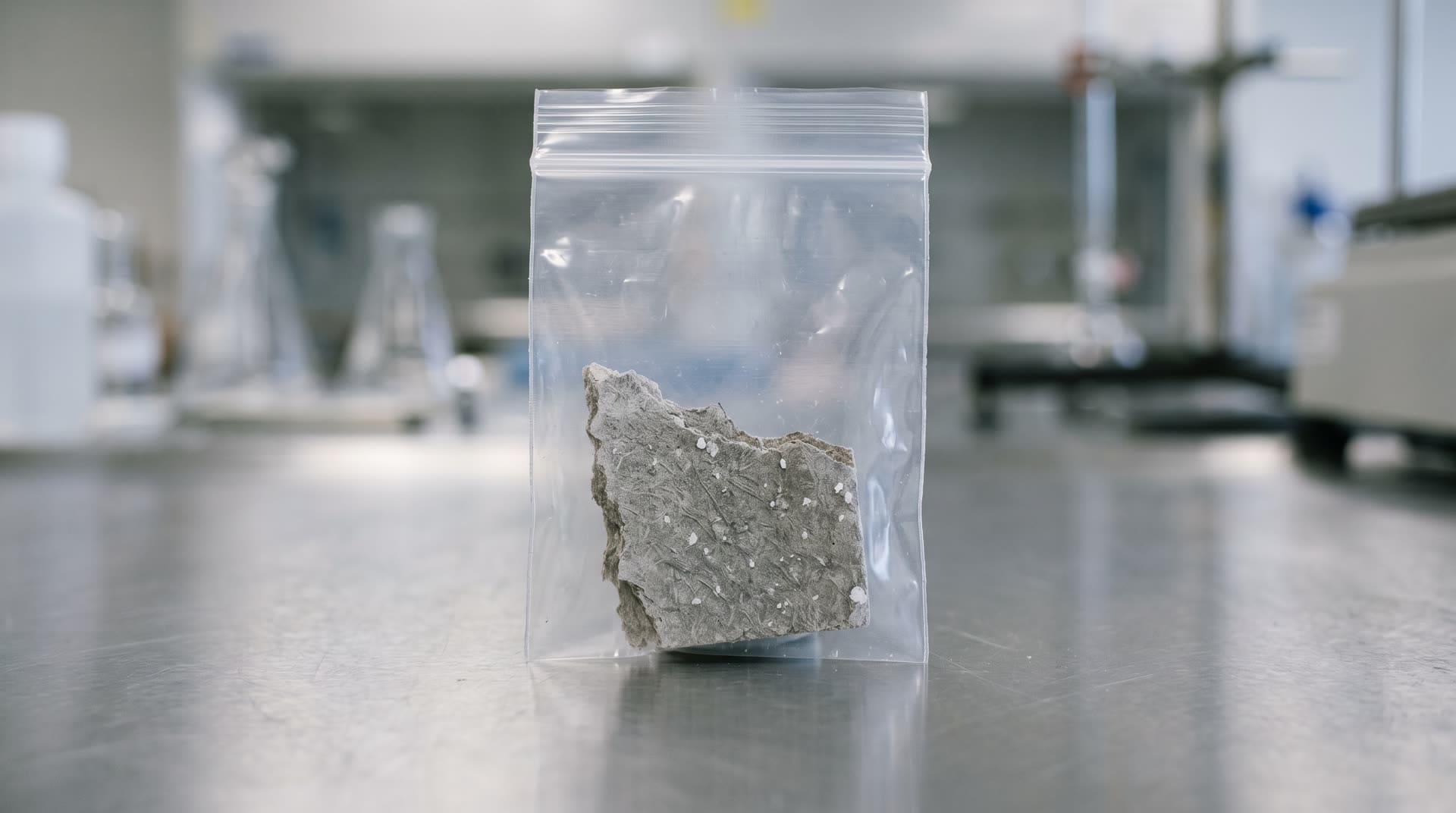
Identification is a sampling exercise. A licensed team safely collects material samples from your site and sends them to a NATA-accredited laboratory, which stands for the National Association of Testing Authorities, for precise analysis. Our comparison of asbestos testing methods covers what the different analytical techniques actually do and where each is appropriate.
Each inspection includes the collection of material samples, which are then sent for NATA-accredited lab testing, and the results form the basis of the final inspection report. That report is yours to keep and use however you need, including with another licensed contractor, an insurance claim, or a property pre-purchase inspection. You are not committing to anything by finding out what you have.
If removal turns out to be the right call, we handle it under the same licence, AD213403, that covers the inspection. Booking asbestos testing Sydney does not obligate you to use us for the removal work.
We cover the northern and inner suburbs from the same team, including asbestos removal Hornsby and asbestos removal Ryde, where a great deal of the affected housing stock sits in exactly the era this material belongs to.
To find out what a suspect material actually is, call 0475 000 021 and we will arrange sampling, or book a free quote online.