

What Is an Asbestos Removal Control Plan?
An ARCP is the written plan setting out how a specific asbestos removal job will be carried out safely. It is a job-specific document rather than a generic policy, so it describes this property, this material and this method.
For a homeowner it is easy to mistake it for paperwork that exists to satisfy a regulator. It is more useful than that. The plan is where the removalist commits, in writing and before starting, to how the site will be sealed, how the material will be handled and how the area will be left.
When Is an ARCP Legally Required in NSW?
The requirement attaches to licensed removal work rather than to the size of the job. If the work requires a licence, a control plan is part of doing it properly.
Friable material raises the bar again, because NSW regulations treat friable removal as a separate licence category from bonded work. Different licence class, different controls, and a plan that has to account for a material which can be crumbled by hand. Our summary of NSW asbestos laws covers the obligations that sit around this for homeowners planning a renovation.
If you are being quoted for licensed removal and nobody has mentioned a control plan, that is a fair question to ask before you sign anything.
What Must an ARCP Contain?
The plan describes the work in enough detail that somebody else could follow it. In practice that means the material and where it is, the removal method, how the work area will be isolated, the equipment and controls in use, waste handling and disposal, and how the area will be cleared afterwards.
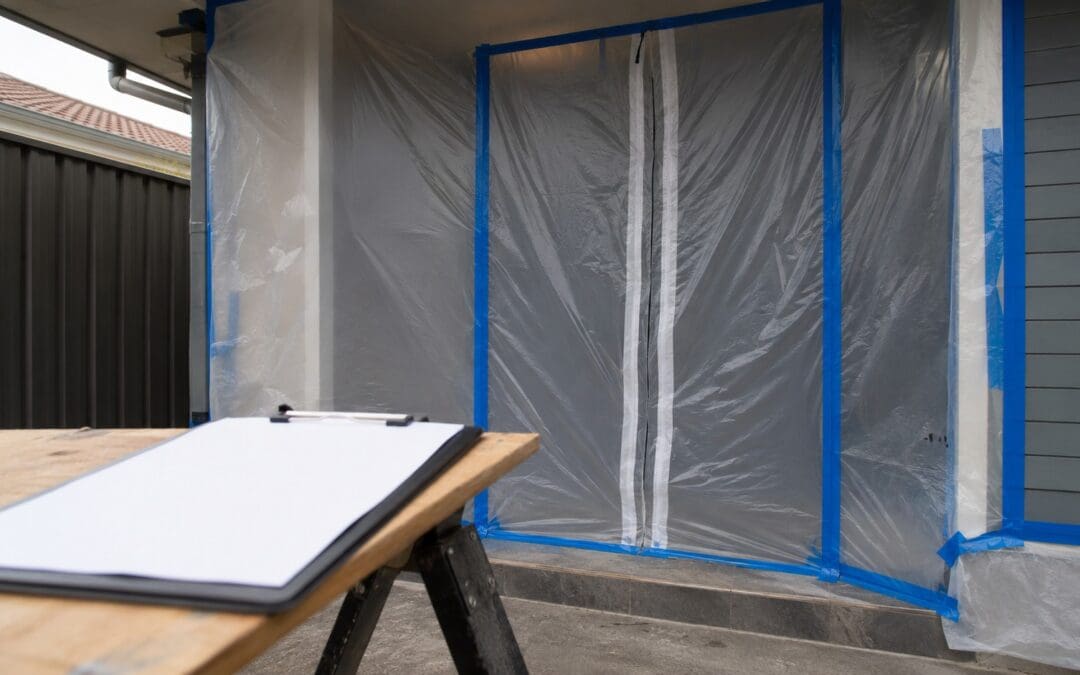
The control measures are the substance of it. On our jobs, teams establish controlled work zones using wet methods and HEPA filtration equipment to minimise airborne fibre release, and it is that kind of specific commitment the plan is meant to capture rather than a general statement about safety.
Air monitoring arrangements belong in it too where the work calls for them, along with who is doing the monitoring and what threshold applies.
Who Prepares It, and Who Is Responsible?
The licensed removalist prepares the plan, because they are the party who holds the licence and controls the method. It is not something a homeowner writes or signs off on.
That said, it is not a document you should be shut out of either. Asking to see it is reasonable, and reading it tells you more about a contractor than a quote does. A plan that names the specific materials on your property reads differently from one that could have been printed for any job.
We handle asbestos removal Sydney wide, and the plan is prepared for the job in front of us rather than pulled from a folder. On record-keeping obligations and retention periods, we have deliberately not stated a figure here, because our own service pages do not carry one and the answer belongs to the regulator rather than to us.
How Does It Differ From a Safe Work Method Statement?
A safe work method statement is the broader construction-industry document covering high risk construction work, describing hazards and controls for a task. The control plan is asbestos-specific and job-specific.
The two overlap and a job can require both. The distinction that matters is scope: the ARCP exists because asbestos removal has its own regulatory regime, its own licence classes and its own clearance requirements, none of which a general method statement is built to carry.
Job conditions genuinely change the plan, and that includes access. We work across the inner and eastern suburbs including asbestos removal Strathfield and asbestos removal Randwick, where a terrace with no side access needs a different containment approach from a freestanding block.
To talk through what a job at your property would involve, call 0475 000 021 and we respond to all enquiries within 24 hours, or get a free quote.