
What Is Mr Fluffy Loose Fill Asbestos?
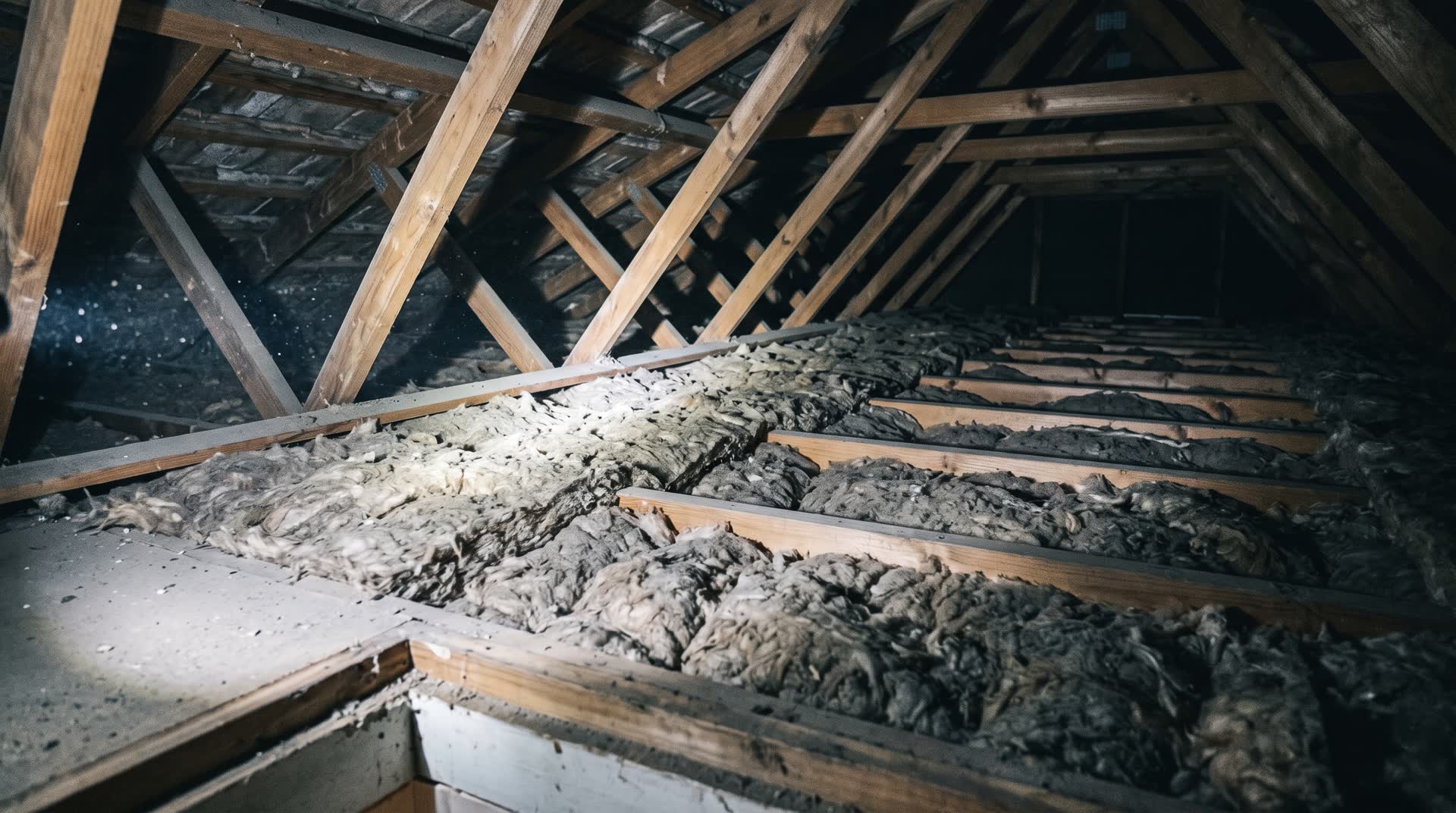
Mr Fluffy is the name attached to loose fill asbestos insulation, a product pumped into roof cavities as a ceiling insulator across parts of New South Wales and the ACT. Instead of sheets fixed to a frame, it is raw fibre poured in loose, which is exactly what makes it the most dangerous form of asbestos a home can contain.
Bonded asbestos locks its fibres into a hard cement matrix, so they stay put unless the sheet is cut or broken. Loose fill has no matrix at all. Any disturbance, including someone climbing into the roof to run a cable, can move fibres into the air.
Which Homes Were Affected?
The product was installed in older housing, and the roof cavity is the place to look. If your home predates the late 1980s and you have loose fibre material sitting between the ceiling joists rather than batts or sheeting, that is the situation this post is about.
We are deliberately not publishing a list of affected suburbs. Affected-property registers are maintained by government, they change, and a street name copied into a blog post is out of date the moment it is written. If you want certainty about a specific address, the register and a licensed assessor are the two places to get it.
How Do I Know If My Roof Cavity Has It?
Do not go looking. This is the one inspection where the act of checking is itself the hazard, because putting your head through a manhole is enough to disturb settled fibre.
What you can do safely is establish the age of the building and whether the roof space has ever been insulated. Then bring in someone licensed to look properly. Testing is a laboratory question rather than a visual one, and the result is what determines everything that follows.
Why Is Loose Fill Treated as Friable?
Friable means the material can be crumbled by hand when dry, and NSW regulations treat it as a separate licence category for that reason. It is not a grading of severity applied after the fact, it is a different class of work with different rules.
With friable material the exposure happens faster and with less warning than it does with bonded sheeting. That is the practical difference, and it is why the licensing is separate rather than simply stricter. Our guide to friable vs non-friable asbestos sets out where the line sits and why it matters more than most homeowners expect.
Who Is Licensed to Remove It, and What Is Involved?
Friable work requires a Class A licence. Rosemont handles high-risk friable asbestos removal under our Class A licence, and a removalist holding only the bonded licence class is not permitted to touch loose fill at all. That is worth confirming before anyone quotes on the work.
The removal itself runs under controlled conditions. Teams establish controlled work zones using wet methods and HEPA filtration equipment to minimise airborne fibre release, and the roof cavity is treated as a sealed area rather than an open one.
Air monitoring runs alongside it, and this is the part that produces a number rather than an assurance. Air is drawn through a filter over a set period, then a NATA accredited analyst examines the filter under a microscope to count fibres. The count has to come in under 0.01 fibres per litre of air. We use counters and signatories approved by our NATA-accredited asbestos laboratory, so the result is independent of the crew who did the removal.
We work across Sydney’s north and the coast, including asbestos removal Central Coast and asbestos removal Manly, and roof access varies enormously between a post-war cottage and a two-storey coastal build.
If you suspect loose fill in your roof, leave it alone and call 0475 000 021 to speak with a licensed assessor, or request a free quote and describe what you have seen.